Gaoling School of Artificial Intelligence, Renmin University of China
yi.zeng@ruc.edu.cn
Advancements on value alignment between human and AI mostly rely on reinforcement learning at the behavior level. While these efforts only capture a restricted and narrow aspect from human morality and ethics formation. In this talk, I will provide a biologically plausible and computationally feasible framework for developing moral AI systems rooted in brain and mind sciences, aimed at fostering sustainable human-AI symbiosis. I will demonstrate and challenge the framework in face of existential risks and beneficial coexistence scenarios. The proposed framework is based on three core pillars: (1) brain-inspired cognitive AI architecture that is inspired by human neural mechanisms of learning, development and evolution; (2) mind-inspired computational models of self-awareness, cognitive empathy, and value formation; and (3) a "Super Co-alignment" framework that enables proactive, bidirectional alignment between human values and AI behavior through both intrinsic ethical motivation and external oversight. By leveraging insights from brain and neuroscience, cognitive psychology, philosophy, and AI, this research seeks to transcend current reward-based ethical AI paradigms into building AIs that inherently understand and care about human well-being, respect individual dignity, and contribute to symbiotic flourishing. The ultimate goal is to create AIs that can live in harmony with humans in future symbiotic societies, where both biological and artificial intelligences contribute to shared values and sustainable development.
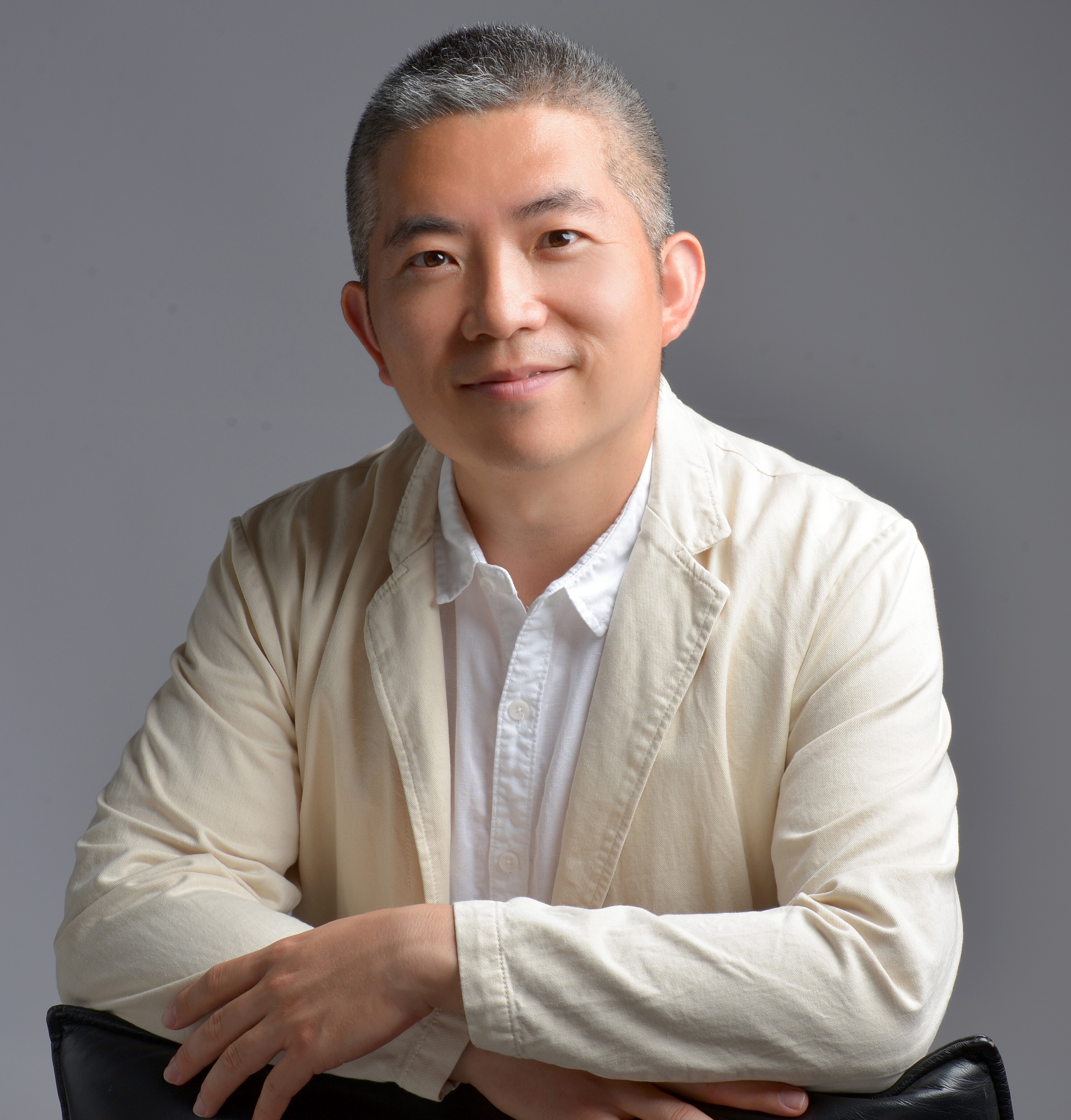
Yi Zeng is a Wu Yuzhang Chair Professor and Ph.D. Supervisor at the Gaoling School of Artificial Intelligence, Renmin University of China. He also serves as the Founding Dean of Beijing Institute of AI Safety and Governance (Beijing-AISI), and Director of the Beijing Key Laboratory of Safe AI and Superalignment. He is the Chair of the Mind Computing Technical Committee of the Chinese Association for Artificial Intelligence (CAAI) and Co-Chair of the AI Committee of the World Internet Conference (WIC). Additionally, he is a member of the United Nations Advisory Body on AI and a member of the UNESCO Ad Hoc Expert Group on AI Ethics. His research focuses on AI Ethics, Safety and Governance, Brain-Inspired AI, and AI for Sustainable Development. He was named one of the TIME 100 Most Influential People in AI (TIME 100/AI, 2023).